


Off-grid options offered by Kubbio
In a world where sustainability and energy independence are becoming…
A tiny house reflects a lifestyle of minimalism, sustainability, and smart living. Incorporating innovative and efficient solutions is essential for transforming compact spaces into practical and inviting homes. Whether you’re buying or renovating, selecting the right furniture and equipment can make a huge difference between a cramped area and a comfortable, well-organized space.
Multifunctional furniture is the backbone of any well-designed tiny house. In limited spaces, furniture that serves multiple purposes becomes a necessity.
For example, an extendable kitchen table can serve as a workspace, dining area, and food prep station. Opting for furniture made from high-quality treated wood ensures longevity and maintains an appealing aesthetic.
In a tiny house, every wall is an opportunity for smart storage. Vertical storage solutions keep the living area functional and uncluttered.
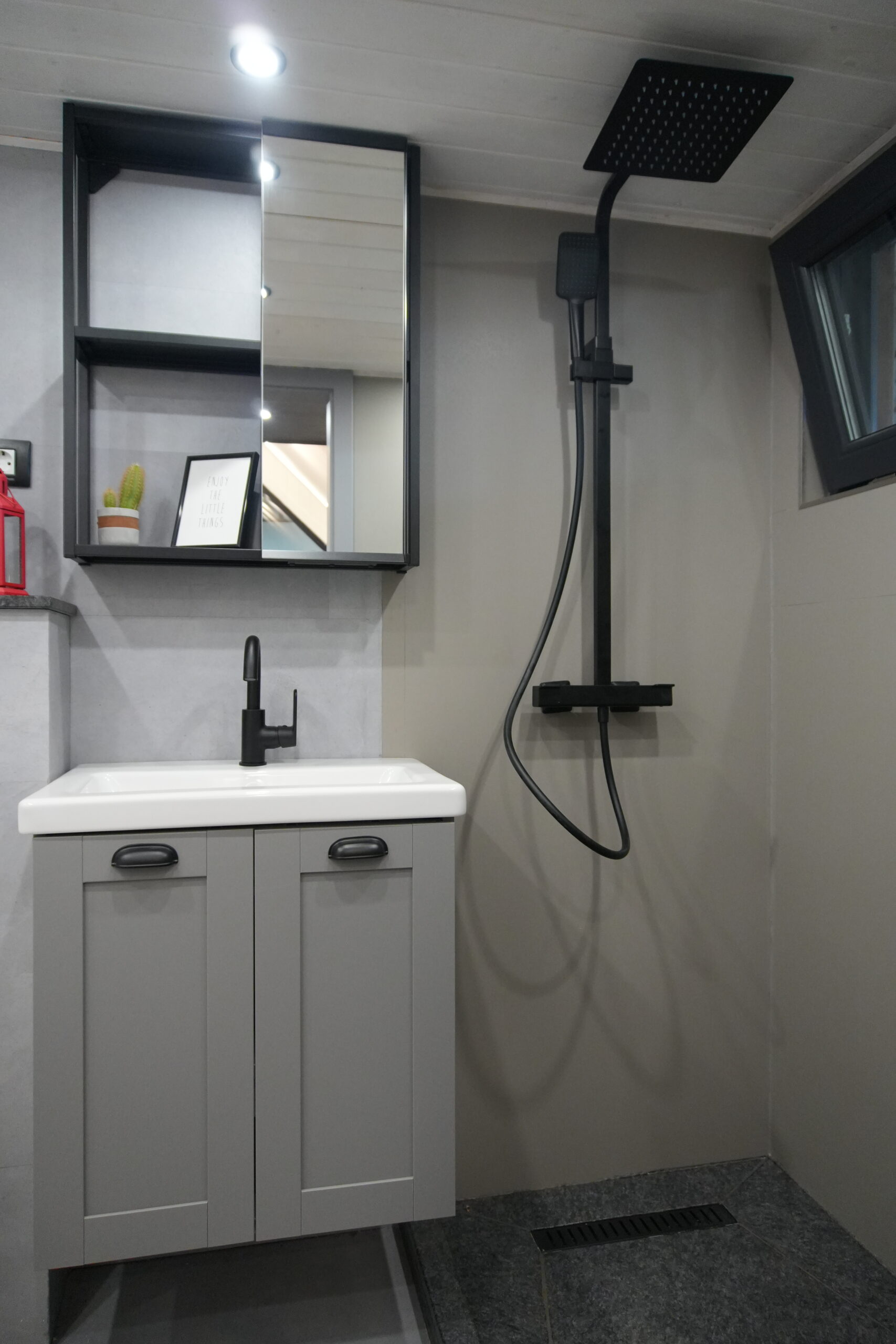
In the bathroom, vertical shelves and towel racks create additional space while keeping essentials easily accessible.
Modern tiny houses embrace compact appliances to retain functionality without overcrowding.
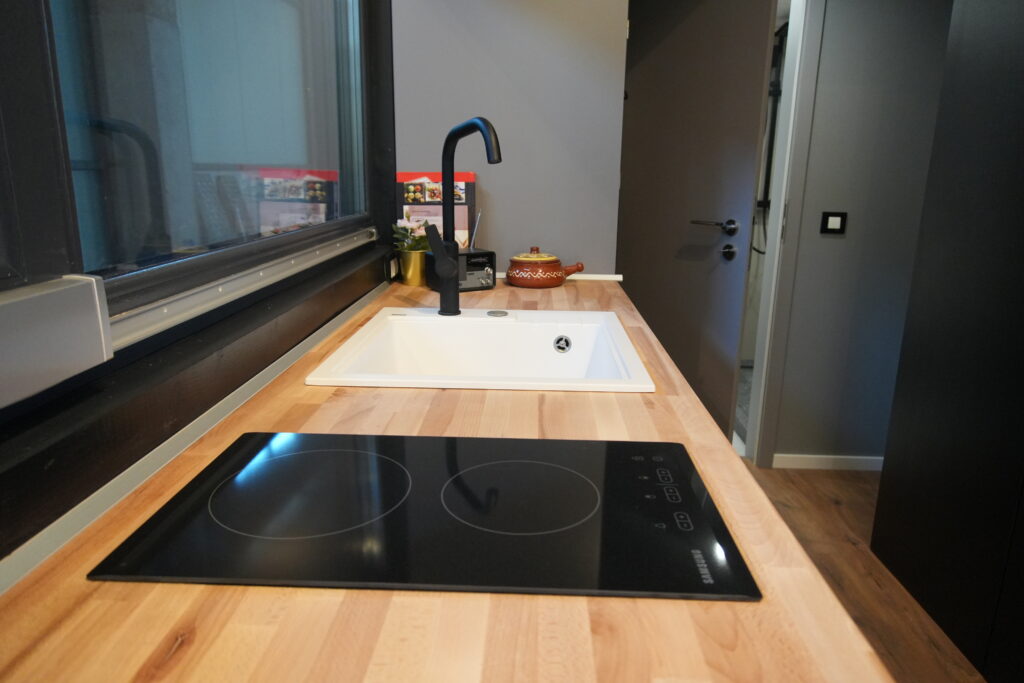
Choosing energy-efficient appliances not only reduces energy bills but aligns with the sustainable principles of tiny house living.
In a tiny house, the kitchen must balance efficiency and functionality. Thoughtful design choices keep it practical without compromising on essentials.
Using durable and moisture-resistant materials, such as treated wood, ensures the kitchen remains functional and visually appealing over time.
A tiny house bathroom can still feel luxurious with the right choices.
Selecting waterproof materials, such as treated wood, ensures durability and prevents damage from humidity.
Outdoor areas are an extension of the tiny house and provide additional living and socializing space.
These additions elevate the functionality of the tiny house while maintaining its minimalist ethos.
Tiny houses promote eco-friendly living, making sustainable choices essential.
These sustainable upgrades align perfectly with minimalist and environmentally conscious lifestyles.
Organization is essential in a tiny house to avoid clutter and create a serene living environment.
Regular decluttering ensures the space remains efficient and enjoyable to live in.
A well-designed tiny house is much more than a small space; it is a testament to thoughtful living. By choosing multifunctional furniture, compact appliances, and sustainable materials, every square meter is optimized. This approach allows tiny house owners to live comfortably and efficiently while embracing simplicity and sustainability.
By incorporating high-quality materials and smart solutions, Kubbio ensures that every tiny house becomes a home that reflects freedom, style, and environmental harmony.


